

To determine if you have mold in your home, look for these signs and take the following steps:
Check for Signs of Mold
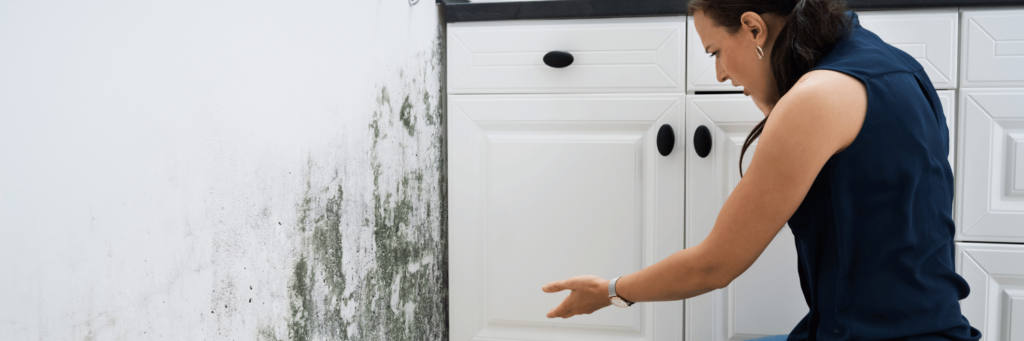
- Visible Growth: Look for fuzzy, discolored patches (black, green, white, or gray) on walls, ceilings, floors, or other surfaces, especially in damp areas like bathrooms, basements, or near leaks.
- Musty Odor: A persistent earthy or musty smell, particularly in enclosed spaces, can indicate hidden mold.
- Water Damage: Stains, discoloration, or warping on walls, ceilings, or floors from leaks, floods, or high humidity suggest conditions ripe for mold.
- Health Symptoms: Unexplained allergic reactions like sneezing, coughing, itchy eyes, or respiratory issues, especially when indoors, may point to mold exposure.
- Hidden Areas: Check behind furniture, under carpets, inside vents, or in crawlspaces for mold that may not be immediately visible.
Follow Steps to Confirm Mold
- Visual Inspection:
- Check high-risk areas: bathrooms, kitchens, basements, attics, and areas with past water damage.
- Look inside cabinets, under sinks, and around windows for signs of moisture or mold.
- Use a flashlight to spot mold in dark corners or crevices.
- Check Humidity Levels:
- Use a hygrometer to measure indoor humidity. Levels above 60% can promote mold growth.
- Poor ventilation in humid areas (e.g., bathrooms without exhaust fans) increases risk.
- Smell Test:
- If you notice a musty odor, trace it to the source. Hidden mold may be behind walls, under flooring, or in HVAC systems.
- DIY Mold Testing Kits:
- Purchase a mold test kit from a hardware store or online (e.g., petri dish or swab kits). Follow instructions to collect samples from suspected areas.
- Results may indicate mold presence but won’t identify specific types or toxicity.
- Professional Mold Inspection:
- Hire a certified mold inspector if you suspect widespread or hidden mold. They use tools like moisture meters, infrared cameras, and air sampling to detect mold.
- Professionals can identify toxic molds (e.g., Stachybotrys, or “black mold”) and recommend remediation.
When to Suspect Hidden Mold
- Persistent musty smells with no visible mold.
- Health symptoms that improve when you leave the home.
- Recent flooding, leaks, or poor ventilation.
- Mold in HVAC systems, which can spread spores through air vents.
Next Steps if Mold is Found
- Small Areas (less than 10 square feet): Clean with a detergent solution or vinegar, ensuring the area is dried thoroughly. Wear gloves and a mask.
- Large Infestations: Hire professionals for safe removal, as improper handling can spread spores.
- Address Moisture: Fix leaks, improve ventilation, and use dehumidifiers to prevent recurrence.
- Test for Safety: After remediation, retest to ensure mold is gone.
Use Prevention Tips
- Keep indoor humidity below 50%.
- Ventilate bathrooms, kitchens, and laundry areas.
- Repair leaks promptly and dry water-damaged areas within 24-48 hours.
- Insulate walls and pipes to prevent condensation.
Looking for Junk Removal?
Let’s Talk